Sea Cave Tours in Mallorca: How to Choose
If you've decided you want to experience a sea cave in Mallorca, here's how the available options differ — and why a boat-based trip from Porto Cristo is the option we recommend.
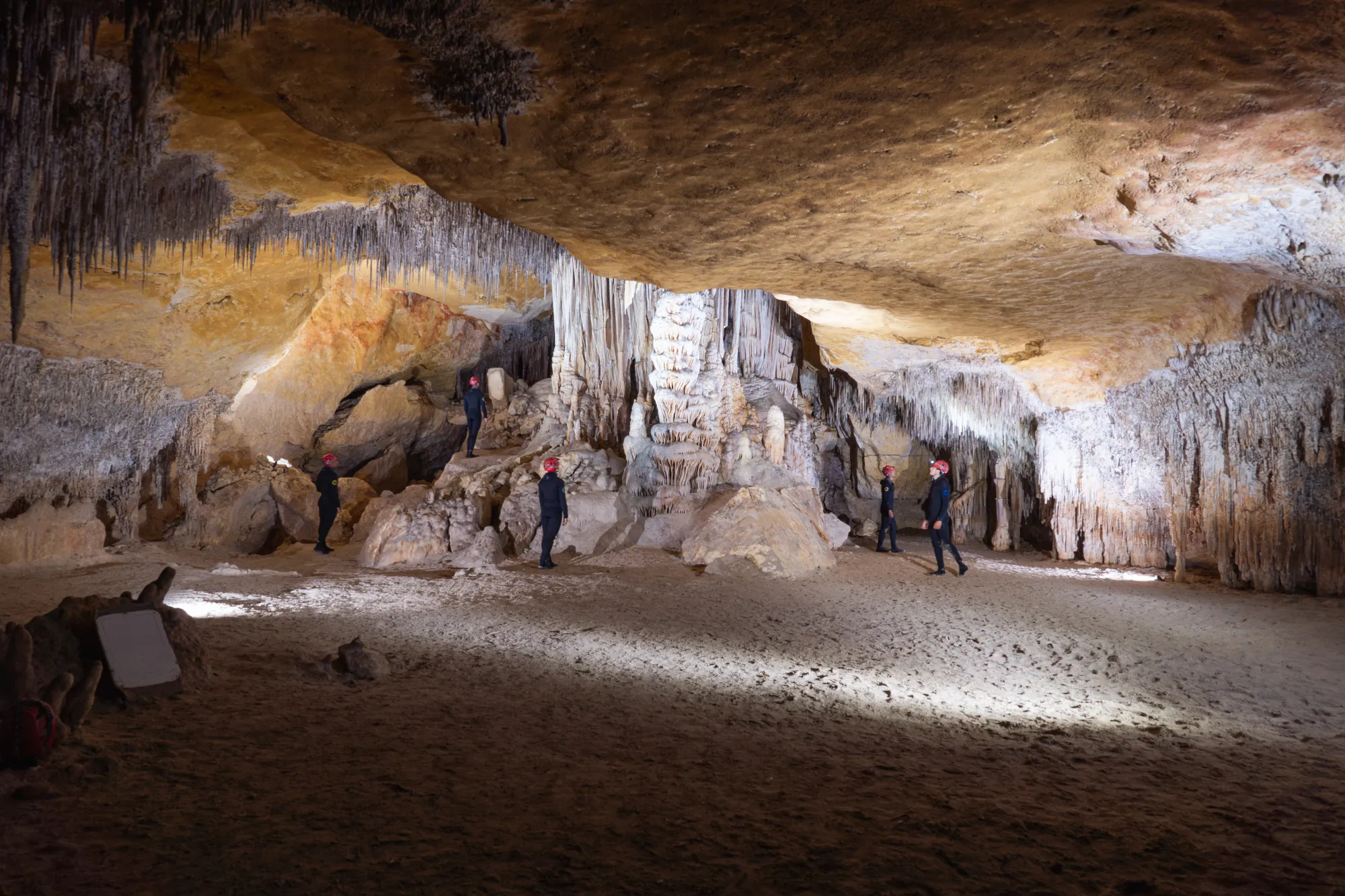
Types of Sea Cave Tours Available
Tours that take visitors into Mallorca's sea caves generally fall into two categories, defined by how you get to the cave: on foot, or by boat. Both can lead to the same destination — most commonly Cova des Coloms — but the experience of getting there, and what's included along the way, differs considerably.
Hiking and Swimming Tours (The Hard Way)
Land-based tours typically start with a drive to a parking area near Cala Varques, followed by a guided walk of around 30-40 minutes across exposed limestone terrain to reach a point on the coast above the cave. From there, the group swims out to the cave entrance, carrying masks, fins and lights.
This route has its appeal — it's a more rugged, self-propelled way to reach the cave, and some visitors enjoy the challenge. But it asks a lot physically: a hot walk with no shade, an open-water swim while carrying gear, and no easy way to turn back partway through. Pricing for this style of tour tends to sit at the lower end of the range, reflecting the lower logistics overhead — but always confirm current pricing and requirements directly with the operator.
Boat Access Tours (The Comfortable Way)
Boat-based tours depart directly from Porto Cristo marina. Instead of a hike, you get a scenic cruise along the Llevant coastline, passing the cliffs and coves that line this stretch of Mallorca, before mooring near the cave entrance and entering the water with your guide. The hike and the open-water swim with gear are removed from the equation entirely.
Because the operator provides the boat, the route, and full equipment, this style of tour is typically priced a little higher than a land-based hike — but for most visitors, the added comfort, safety, and the bonus of a coastal boat trip make the difference well worth it. Again, check the operator's page for current pricing.
What's Included in a Premium Tour?
Quality varies between operators, but a well-run sea cave tour should include, at minimum:
- A 5mm wetsuit — thick enough to provide real thermal protection in the cooler water inside the cave, and enough buoyancy to make floating effortless.
- A helmet for protection around low ceilings and rock formations.
- A waterproof headlamp for each participant, since the caves have no installed lighting.
- A qualified guide, ideally from an operator with recognised credentials such as PADI 5-star status, who briefs the group, sets the pace, and monitors conditions throughout.
- A small group size, so the guide can keep an eye on everyone and the cave doesn't feel crowded.
For a full breakdown of what to pack yourself versus what's provided, see what to bring on a sea cave trip.
Why the operator matters more than the price
The biggest variable between tours isn't really the price — it's whether the operator monitors marine weather conditions, maintains its equipment, and keeps group sizes small enough to manage safely. These are the questions worth asking before you book, more than the few euros' difference in price.
Why We Recommend Skualo Porto Cristo
Of the boat-based options operating from Porto Cristo, Skualo Porto Cristo is the operator we point readers toward throughout this guide. It's a long-established PADI 5-star centre operating from the Porto Cristo marina, running small-group sea cave trips by boat with full equipment included — wetsuit, helmet and light — removing the coastal hike entirely.
What stands out about this option
- 30 years on the water
- A long-established operator working from the Porto Cristo marina.
- PADI 5-Star Centre
- Recognised training and safety standards for guided water activities.
- Small group sizes
- Guided sea cave trips are kept deliberately small.
- Direct boat access
- No coastal hike — depart and return by boat from the marina.
Before You Book
Whichever operator you choose, it's worth reading our notes on whether sea caving is safe and what to bring — both will help you arrive prepared and know what questions to ask before you reserve a spot.
Frequently Asked Questions
Pricing varies by operator and by access method. Land-based tours that involve hiking to the cave tend to sit at the lower end of the price range, while boat-based tours from Porto Cristo, which include a coastal cruise and full equipment, are typically priced a little higher to reflect the boat, fuel, and additional logistics. Check the linked operator page for current pricing.
A typical guided sea cave trip by boat from Porto Cristo runs for a few hours in total, including the boat journey along the coast, time in and around the cave, and the return trip. Exact durations are confirmed on the operator's booking page.
A hiking tour typically starts on land near Cala Varques, involves a walk of around 30-40 minutes over rough limestone terrain carrying your gear, then a swim out to the cave entrance. A boat tour departs directly from Porto Cristo marina, cruises along the coast, and brings you close to the cave entrance by sea — removing the hike entirely and adding a scenic coastal element to the trip.
Skualo Porto Cristo is a long-established PADI 5-star centre operating from the Porto Cristo marina, running small-group sea cave trips by boat with full equipment (wetsuit, helmet, light) included. For visitors who want to experience Cova des Coloms or similar caves without the long coastal hike, it's the option that best matches the comfort and safety points covered throughout this guide.
Continue exploring
What to Bring on a Sea Cave Trip in Mallorca
What operators provide, what to pack from your hotel, and advice on cameras and valuables.
Read moreIs Sea Caving Safe? A Guide for Beginners and Families
A reassuring, practical look at the real safety considerations behind a guided sea cave trip.
Read moreCova des Coloms, Mallorca: The Complete Sea Cave Guide
A full guide to Mallorca's Cova des Coloms — what's inside, how to reach it, and the Menorca name mix-up explained.
Read more